
For information for teachers about registering for the competition, go to www.towerhamlets-sls.org.uk/cwc26
Ready to send us your work?
Using this page
1. Categories, judging, hints and rules
The judges!
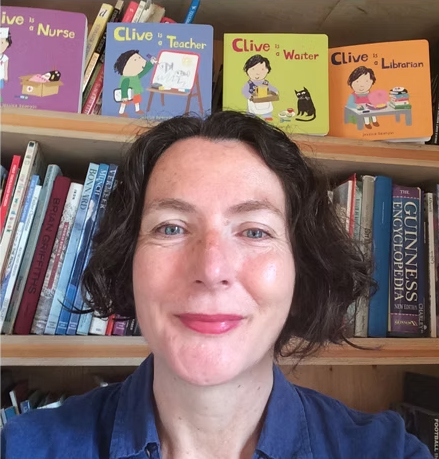
Jessica Spanyol
Jessica is both an author and illustrator. She’s best kown for the Carlo series, Minibugs series and the Rosa series of picture books.
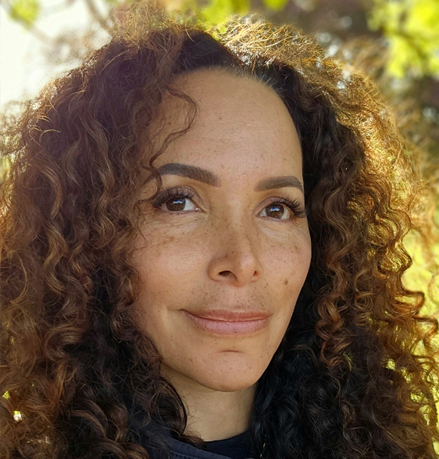
J.P. Rose
J.P. writes for both adults and children. Her most recent books – The Haunting of Tyrese Walker and Birdie – were shortlisted for the Tower Hamlets Book Awards
Competition Categories
There are 5 age groups in the competiton (based on school year group)
- Group 1: Years 1 & 2
- Group 2: Years 3 & 4
- Group 3: Years 5 & 6
- Group 4: Years 7 to 9
- Group 5: Years 10 & 11
Entrants in each age group may submit any of the following:
- A short story (up to 500 words for primary, and 750 words for secondary).
- A story in comic book format (short story category)
- A poem of up to 35 lines
All entries must be connected to the competition theme
What are the judges looking for?
Hints for writers
Hints for illustrators
Competition rules (ignore at your peril!)
2. Ideas and prompts to start you writing
Think about…
You as a writer
- What is your culture and background? How will you bring your own voice into your poem or story?
- Who are the main characters and what are they doing in the story?
- Because we don’t have long to get involved in your story – how do you make the reader interested in the characters or their situations?
- Make sure you’ve got a great middle and ending as well as a great start to your story!
- Does the story end with a twist, or a shock, or does it leave the reader wondering what happens next?
You as a poet
- What sort of poem is it? Types of poem include rhymes, narrative poems, shape poems, acrostics, haikus.
- Is it meant to be read aloud or performed?
- How is the poem meant to make the reader feel?
Illustrations and comic books
- Will the story be illustrated? If so, how will the pictures contribute to the storytelling?
- The winning entries will all be published in black and white.
- If you’re drawing a comic book, make sure you leave enough space for speech bubbles
The theme: Lost and Found
What does ‘Lost and Found’ mean to you?
Everyday finds
Lost places
Big losses
Everyday losses
Identity
Some starting points for your stories
3. Getting writing
Types of story
Build a story
Build a character
Types of poems
Starting a poem
4. Links to other resources
BBC
- BBC bitesize. Creative writing level 1.
- BBC bitesize. Creative writing level 2.
- BBC bitesize. Creative writing level 3.
- BBC bitesize. Creative writing (KS2)
- BBC bitesize. How to write a store (aimed at ages 7 – 11)
- BBC bitesize. Creative writing (national 4).
- BBC bitesize. Creative writing (national 5).
- BBC bitesize. Creative writing (KS3).
- BBC bitesize. Creative writing (higher English).
| Other creative writing links: | |
| Once upon a picture | Images to prompt discussion, creative writing and more |
5. How other writers have approached the theme
Various Fiction
Quest stories, with characters on journeys of discovery
Refugee stories, where the characters have lost their homes and the country where the lived
Stories about characters losing or finding their identity
Picture books
Myths, fairy tales and traditional tales