Tag: Year of Reading

  • Connect with your local public library
    Connect with your local public library

    Most schools are fortunate to have a public library located nearby. Many students may never visit a public library in their own time, so building a positive relationship with the local library during school years is an excellent way to introduce students to this valuable community resource. Public libraries will have a wider range of reading for pleasure materials, as well as useful services like computer access and printing facilities. Having a positive relationship with the local library can be hugely beneficial when developing students’ relationship with reading and books.

    Here are some easy ways to connect with local library service:

    • School trips to the local library. Make some time to visit the local library during the school term. Be sure to contact the library in advance so they can provide students with the best service and possibly a tour of the library. If possible, have parents join the students on the visit, so they can also be introduced to everything the library has to offer.  
    • Advertise library events to school families. If the local library service has any exciting activities coming up, let the students and parents know about it. Libraries often have a great selection of free activities which will ultimately foster a positive relationship with the library and reading in general.
    • Summer reading Program. Most public libraries in the UK will participate in some variety of Summer Reading Program. Connect with your local library and see if you can work with them to encourage students to take part.
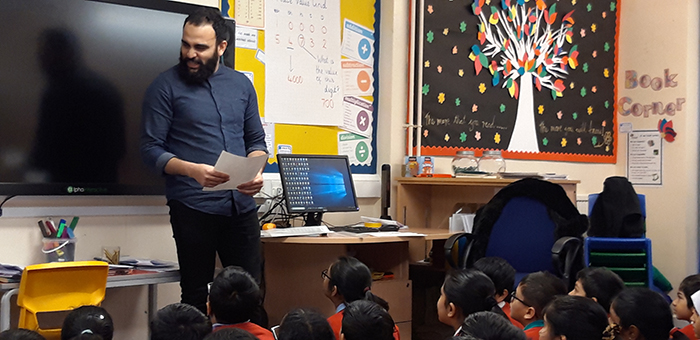
    • Have local librarians come to the school. Local librarians are usually happy to come to schools to talk about the library’s offerings. Introducing members of staff that students may see at the library, provides a familiar face that students can look for at the library.

    • The Year of Reading and the Schools Library Service

      The Year of Reading and the Schools Library Service

    • Year of Reading partner links

      Year of Reading partner links

    • Starting a book group

      Starting a book group

    • Book Awards in 2026

      Book Awards in 2026

    • Choices, choices, choices

      Choices, choices, choices

    • Author, illustrator or poet visits

      Author, illustrator or poet visits

    • Encourage parents to read with their children

      Encourage parents to read with their children

    • Ensure you have an up-to-date book collection

      Ensure you have an up-to-date book collection

    • Connect with your local public library

      Connect with your local public library
  • Ensure you have an up-to-date book collection

    Ensure you have an up-to-date book collection

    It’s the new financial year! So what better way to celebrate the £££ that are being showered on education (and absolutely not being used to offset Trumpflation) than to buy lots of lovely new books!

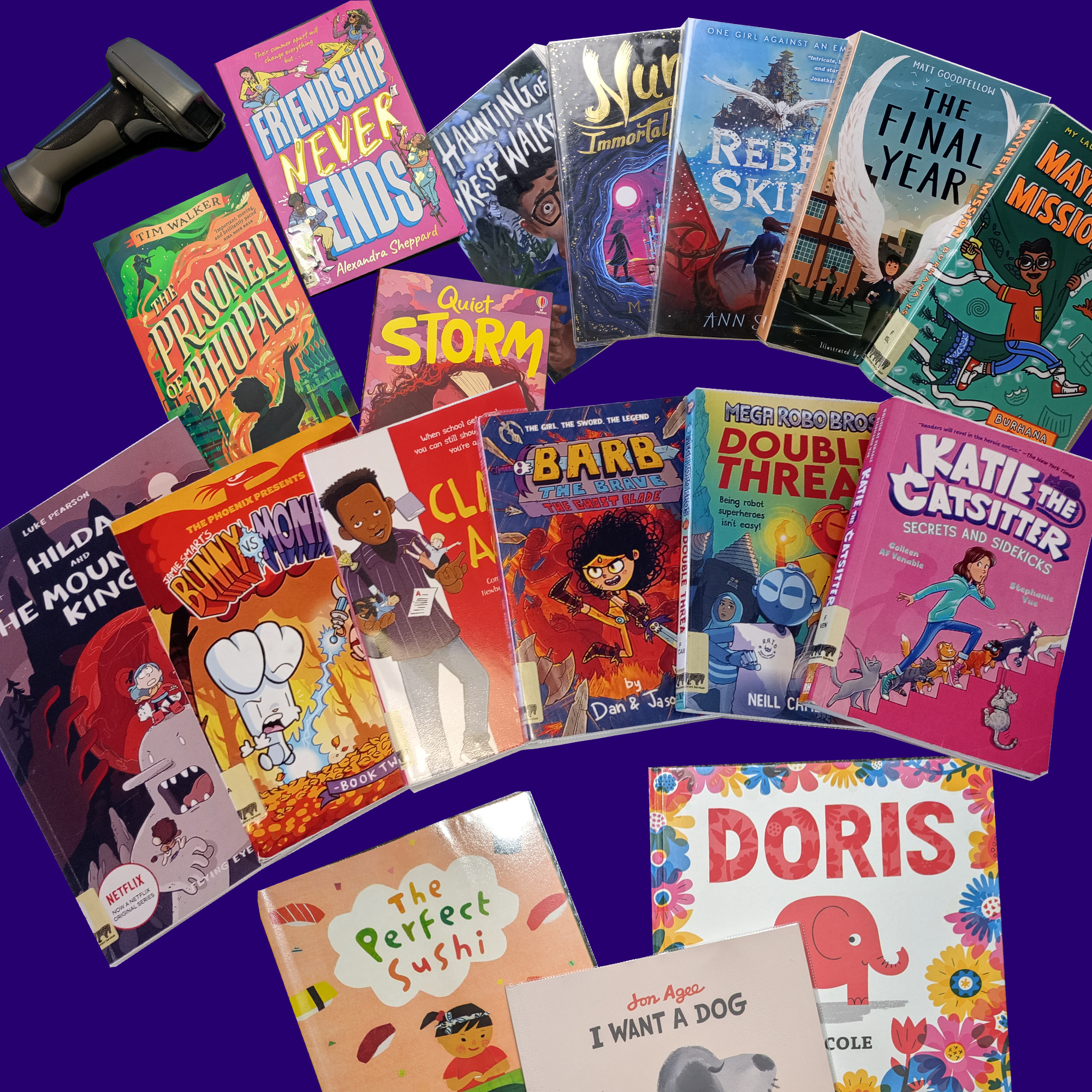
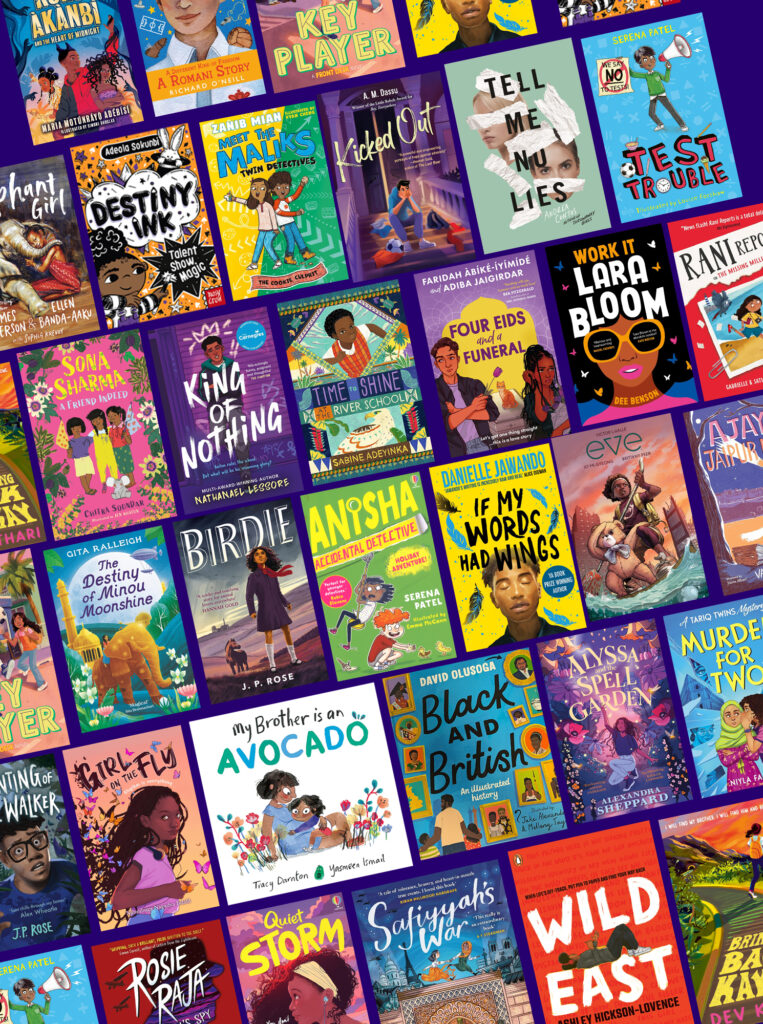
    Sarcasm aside, the books that are in your library, play a vital role in how many children are reading. When books are outdated, worn or tatty books are often unappealing to children and will likely put them off reading. Thankfully, modern fiction features an array of exciting, diverse and relatable stories by authors of different, representative backgrounds. It’s really important that children see themselves and each other in the books they read. It is important that your school library has a diverse collection of books, to allow students that ability to make better reading choices. This often requires some money to be set aside by the school, to ensure that library’s offering is kept up-to-date

    Important things to consider when developing your library’s collection

    • Understand the demographics in your school. No two schools are exactly the same. Students will have different backgrounds and reading preferences dependent on where you are. Make sure that you understand your students. One way to assist with this could be to do an audit of your current library and see what missing. Another important thing to do is to ask the students what they think is missing. This comes back to the student’s ability to choose books that they want to read. 
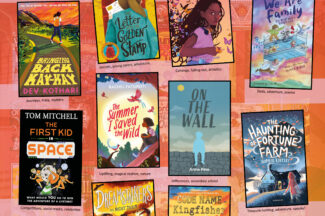
    • Keep an eye on new titles that are being released. If you don’t have a librarian in your school, make sure teachers are aware of the new books that are being released. This could be researching what is winning awards, seeing what’s on display at your local book shop, checking out our recommended reads, or attending publisher roadshows. Sometimes by attending these events, you can also obtain free books and promotional materials to promote reading in the school.
    • Look out for any book initiatives. Buying books can be expensive. Especially when you have large gaps or haven’t refreshed your collection in a long time. Thankfully, there are charity organisations that can help with your collection. The National Literacy Trust, LoveReading4Kids and the Siobhan O’Dowd foundation, are just a few examples of organisations that offer schools free books and library furniture to develop a positive reading for pleasure culture in the school.
    • When buying books, a specialist library supplier like Peters or Heath Books will offer a big discount to schools. They can also add book jackets and other processing.
    • Take advantage of the whole-school ticket from the Schools Library Services! If you have a subscription to the Schools Library Service, it’s worth checking to see if you have a full school ticket. The purpose of this ticket is to provide you school with up to date reading for pleasure books that can fill gaps you may have in your collection. This allows you up to 500 items that can be either chosen by you or our librarians.

    • The Year of Reading and the Schools Library Service

      The Year of Reading and the Schools Library Service

    • Year of Reading partner links

      Year of Reading partner links

    • Starting a book group

      Starting a book group

    • Book Awards in 2026

      Book Awards in 2026

    • Choices, choices, choices

      Choices, choices, choices

    • Author, illustrator or poet visits

      Author, illustrator or poet visits

    • Encourage parents to read with their children

      Encourage parents to read with their children

    • Ensure you have an up-to-date book collection

      Ensure you have an up-to-date book collection

    • Connect with your local public library
      Connect with your local public library

  • Encourage parents to read with their children

    Encourage parents to read with their children

    Parents play an important role in developing their children’s relationship to reading. It is much easier to make changes in a child’s reading habits if their parents are on board. Unfortunately, connecting with parents can often be easier said than done. With many parents working during school hours, finding time to discuss reading with them can be challenging.

    Reading to your child doesn’t have to stop when they’re able to read independently. Research indicates that fewer than half of 5 to 7-year-olds are read to regularly. This figure drops dramatically for 7 to 10-year-olds, to fewer than a quarter. Children benefit from being read to even when they’re able to read independently, and adults benefit too! Reading aloud and choosing books together builds important family and social connections.

    • Have reading sessions with parents before/after school. Invite parents into the school library for reading sessions with their children. This can take place in the morning before school begins or after school has ended. Providing parents with books to read from the library is a great way for parents to read with their children and become positive reading role models.
    • Organise a parent book club to encourage parents to read more. Create a book club for parents to engage with outside of school hours. This can help build good reading role models, as children will see their parents having a positive relationship with books and may exhibit similar behaviours. Teachers can actively take part or allow parents to take ownership of the book club.
    • Encourage parents to read with their children in their home language. Many parents choose not to read with their children because they aren’t confident in their own reading skills. For parents that don’t speak English as their first language, encourage them to read in their native language. Even if children are able to read on their own, spending time with their parents, reading together, can improve a child’s relationship with books and reading.
    • Connect parents with their local public library. Promote the local public library to parents, make sure they know the address and when storytime sessions are run. If more reluctant parents are able to watch other adults reading stories, this will hopefully give them encouragement to read to their children themselves. If possible, bring parents along when you take students to visit their public library.
    • Create a section in your school library of books that are good for reading aloud – this will help parents to choose the best books.

    Choosing a good book to read aloud

    There are a thousands of books out there and choosing one to read can seem daunting.

    • Don’t just choose one book! Borrow a selection from the library, and choose books by different authors for variety. If you find that reading a particular book is like chewing tinfoil, you’ll have a backup!
    • Does the text suit reading aloud? Depending on the confidence of the reader, some books are more complex to read aloud – for example some picture books have a combination of text, separate dialogue in speech bubbles, captions and wordless pages that may require a break from reading to discuss.
    • What is the length of the picture book or the length of the chapters? Be prepared to break chapters or the book if it gets too late and if the picture book is quite short, maybe have a second book on hand.
    • Choose books with subjects or themes that you know will be of interest to the child(ren) and also to the reader! This is especillay helpful if you’re introducing new books or authors.
    • Don’t choose books that you think you should be reading if it’s not the right book! Reading the classics in Latin may be aspirational but it’s rarely a fun way to round off a day with your child.

    Some other tips

    • If neither of you is connecting with the book, choose another! It’s okay not to enjoy a book!
    • Re-reading the same book (many times) is okay! It’s a complement if a child asks for a book again – it means they really enjoyed you reading it the last time.
    • If your child has had a bad day, offer to read them a book you know they love.
    • Remember to talk about the illustrations.
    • Don’t be afraid to re-read a passage, expecially if you mess up a rhyme or read dialogue in the wrong voice!.
    • Have fun with silly voices or props and puppets to bring characters to life.
    • If you’re having trouble with reading dialogue, try funny immitations of famous people or people you know.

    • The Year of Reading and the Schools Library Service

      The Year of Reading and the Schools Library Service

    • Year of Reading partner links

      Year of Reading partner links

    • Starting a book group

      Starting a book group

    • Book Awards in 2026

      Book Awards in 2026

    • Choices, choices, choices

      Choices, choices, choices

    • Author, illustrator or poet visits

      Author, illustrator or poet visits

    • Encourage parents to read with their children

      Encourage parents to read with their children

    • Ensure you have an up-to-date book collection

      Ensure you have an up-to-date book collection

    • Connect with your local public library

      Connect with your local public library

  • Author, illustrator or poet visits

    Author, illustrator or poet visits

    Author visits are a great way to help students get engaged with reading and literacy. These visits inspire creativity, bring curriculum themes to life, and introduce students to diverse perspectives and backgrounds, often turning reluctant readers into eager ones. Meeting real-life authors demystifies the writing process, encouraging students to develop their own stories and pursue creative passions.

     World Book Day is always a popular time for authors to visit schools; however author visits can be done all throughout the year. One of the barriers for schools hosting authors in their schools it the cost. Similarly to maintaining a school library’s collection, it’s important to ensure that there is some money set aside for author visits and other library related events. Make sure you take advantage of any publicity tours or local author visits that may offering visits for a lower cost.

    Formats that your visit can take

    • A whole-school or key stage assembly
    • Visits to individual classes or reading groups
    • A visit that links to an area of study
      • A writer or illustrator from a part of the world being studied in class
      • A writer who specialises in a particular genre
      • A writer who writes historical fiction about the time period being studied
    • Creative writing workshops
    • Draw-along sessions with illustrators
    • Performance workshops with performance poets

    Here are some budget friendly options for author visits

    • Take advantage of authors providing free talks. Many authors will go to schools to promote a newly released title. These are sometimes offered either free or free with purchases of the book/ hosting a book shop for pupils.
    • Keep an eye on publisher websites. Publishers will often want to promote their new releases or newly acquired authors. This can sometimes result in author visits to school for free or at a lower rate.
    • Barnes Children’s Literature Festival. The Barnes Children’s Literature Festival hosts number of free to attend, large scape author events across London. Places fill up fast so it’s important that you mark it in your calendar. Bookings are taken in February for June events.
    • Contact your local library. Your local library will be hosting a number of events throughout the year. See if there is any collaboration your school could do with them. If there is an author event at the local library, see if you can bring a class along or if the author would want to come to the school another day.
    • Utilise School Library Services events that provide author sessions at a heavily discounted rate. Make use of events that offer low-cost author visits. Tower Hamlets SLS offers a number of events such as the Creative Writing Competition, Poetry Slam and Book Award, which all offer author interaction with students for free or included in the event offering.

    Good practice for visits to your school

    • Have the writer or illustrator’s books available for children to read before the visit
    • Discuss their work and have questions prepared
    • If there’s time, put up a display of children’s work based on their books
    • Make sure your visitor knows the format for the day in advance – e.g. age groups and numbers being worked with
    • If they’re meeting different groups, allow for breaks in-between
    • Arrange for any media-sharing permissions – often writers and artists like to share children’s creative work based on their books online.
    • After the visit plan follow-on activities

    • The Year of Reading and the Schools Library Service

      The Year of Reading and the Schools Library Service

    • Year of Reading partner links

      Year of Reading partner links

    • Starting a book group

      Starting a book group

    • Book Awards in 2026

      Book Awards in 2026

    • Choices, choices, choices

      Choices, choices, choices

    • Author, illustrator or poet visits

      Author, illustrator or poet visits

    • Encourage parents to read with their children

      Encourage parents to read with their children

    • Ensure you have an up-to-date book collection

      Ensure you have an up-to-date book collection

    • Connect with your local public library

      Connect with your local public library

  • Choices, choices, choices

    Choices, choices, choices

    Research has shown that choice is one of the most important factors when it comes to children and books. Allowing children to choose what they read, strengthens their motivation to read. This freedom allows children to make choices based on their own personal interests and identity and gives them a sense of autonomy. By continuing to make their own choices, children can shape and develop their own reading identity, which will likely make them self-motivated on their future reading journey. There are many factors that influence children’s reading choices. Research has shown that most children (56%) chose simply by browsing the shelves. 32% then said they would choose a book by the same author/​writer, and 21% went by friends’ suggestions.

    While it can be difficult to accommodate every child’s reading preferences, here are some ways to encourage children’s reading choices:

    • Encourage students to make their own reading choices. This may seem obvious but just giving students the opportunity to look through the library shelves, and make their own decisions without judgment, can be a hugely beneficial in developing children as readers.
    • Enable students to have a voice in what reading materials are available in the library. Students are the ones that are using and reading books in the school library, so it makes sense that they have some input into what is lining the library shelves. Take their book suggestions seriously. Children will feel valued if what they want to read can be found in the library. It also allows them to tell their friends about books they have read and encourage them to read them too!
    • Introduce the idea of genre to students. Many adults have preferences in their choice of books and films. For children, discovering what genres they are interested in, can assist with their future book selection and get them excited to seek out new books in these genres.  
    • Link students with reading materials that align with the interests. The best way help students make reading choices is to talk with them. Learn about their interests. What have they enjoyed reading previously? What TV shows do they enjoy? Do they have any other hobbies?  There are so many books available to children now that there is bound to be one that they will enjoy.
    • Develop your own book knowledge. Not all schools are able to employ a librarian. One of the benefits of having a professional librarian in a school, is the knowledge of children’s books that they possess. If you haven’t read any children’s fiction since you were in school, it might be a good idea to check out what is available to students now. This will allow you to make more modern and authentic suggestions to children.

    • The Year of Reading and the Schools Library Service

      The Year of Reading and the Schools Library Service

    • Year of Reading partner links

      Year of Reading partner links

    • Starting a book group

      Starting a book group

    • Book Awards in 2026

      Book Awards in 2026

    • Choices, choices, choices

      Choices, choices, choices

    • Author, illustrator or poet visits

      Author, illustrator or poet visits

    • Encourage parents to read with their children

      Encourage parents to read with their children

    • Ensure you have an up-to-date book collection

      Ensure you have an up-to-date book collection

    • Connect with your local public library

      Connect with your local public library

  • Book Awards in 2026

    Book Awards in 2026

    Local and national book awards are great way to dive into the best new books.

    Some awards provide resources and activities for the books and other opportunities for schools.

    January
    Spark! School Book AwardsSpark! Book Awards
    Inclusive Books for Children AwardsIBC Awards 2026 | IBC
    February
    Waterstones Children’s Book Prize
    March
    FCBG Children’s Book AwardCBA Home – The Federation of Children’s Book Groups
    British Book Awards (Nibbies)The Bookseller – The British Book Awards – The British Book Awards aka ‘The Nibbies’
    The Carnegies (illustration and fiction)The Carnegies
    UKLA Book Awardsukla.org/ukla-book-awards/
    April
    English 4-11 Picture Book AwardsChildren’s Picture Book Awards | The English Association
    Oscar’s Book Prize (picture books)Oscar’s Book Prize
    The CLiPPA (CLPE Poetry Award)https://clpe.org.uk/poetry/CLiPPA
    The Branford Boase AwardThe Branford Boase Award and The Henrietta Branford Writing Competition
    The Jhalak Children’s & YA PrizeThe Children’s & YA Prize | Jhalak Prize
    May
    Indie Book AwardsBooksellers Association – Independent Bookshop Week and Indie Book Awards
    Young Quills AwardYoung Quills / Primary / Historical Association
    The Klaus Flugge PrizeThe Klaus Flugge Prize | Official Website – Award For Picture Book Illustration
    Alligators Mouth AwardThe Alligator’s Mouth Award for Illustrated Early Fiction
    June
    The Week Junior Book Awards
    LolliesThe Laugh Out Loud Book Awards 2026 – Scholastic Shop
    YA Book PrizeThe Bookseller – The YA Book Prize 2026 Awards Entry
    SLA Information Book AwardInformation Book Award
    July
    Little Rebels Children’s Book AwardThe Little Rebels Children’s Book Award
    September
    The Diverse Book AwardsDiverse Books | The Diverse Book Awards
    The Tower Hamlets Book AwardAbout the Tower Hamlets Book Award – Tower Hamlets Schools Library Services
    November
    The Young People’s Book Prize
    (Royal Society)
    Young People’s Book Prize – Children’s Science Books | Royal Society
    December
    Nero Book Awards (adult and children’s)HOME – Nero Book Awards
    The Excelsior Award (comics and graphic novels)Welcome to the Excelsior Award

    • The Year of Reading and the Schools Library Service

      The Year of Reading and the Schools Library Service

    • Year of Reading partner links

      Year of Reading partner links

    • Starting a book group

      Starting a book group

    • Book Awards in 2026

      Book Awards in 2026

    • Choices, choices, choices

      Choices, choices, choices

    • Author, illustrator or poet visits

      Author, illustrator or poet visits

    • Encourage parents to read with their children

      Encourage parents to read with their children

    • Ensure you have an up-to-date book collection

      Ensure you have an up-to-date book collection

    • Connect with your local public library

      Connect with your local public library

  • Starting a book group

    Starting a book group

    We’re often asked about the best way to start a book group or reading club in a school, so we’ve created a guide!

    Download a copy to print

    Loading Viewer…


    • The Year of Reading and the Schools Library Service

      The Year of Reading and the Schools Library Service

    • Year of Reading partner links

      Year of Reading partner links

    • Starting a book group

      Starting a book group

    • Book Awards in 2026

      Book Awards in 2026

    • Choices, choices, choices

      Choices, choices, choices

    • Author, illustrator or poet visits

      Author, illustrator or poet visits

    • Encourage parents to read with their children

      Encourage parents to read with their children

    • Ensure you have an up-to-date book collection

      Ensure you have an up-to-date book collection

    • Connect with your local public library

      Connect with your local public library

  • Year of Reading partner links

    Year of Reading partner links

    Go All In – The 2026 Year of Reading is a Department of Education initiative supported by sponsors and partner organisations. It’s aim is to reconnect reading with everyday culture.

    An official aim of this year-long initiative is to “empower teachers and practitioners with creative ways to make reading part of everyday learning, not another thing to add to the list.” The ‘Go All In’ message is that children and young people should be encouraged to link reading with their personal interests and passions, whatever form this takes.


    Literacy Trust Year of Reading Resources

    In partnership with the DfE, the Literacy Trust is creating resources and toolkits for schools.

    Literacy Trust YoR homepagehttps://literacytrust.org.uk/about-us/national-year-of-reading-2026/
    Literacy Trust YoR schools pagehttps://literacytrust.org.uk/about-us/national-year-of-reading-2026/schools/
    Literacy Trust YoR toolkit and resourceshttps://literacytrust.org.uk/resources/national-year-of-reading-schools-early-years-toolkit-resources/

    The Reading Agency Year of Reading Resources

    Reading Agency : Register for updates and resourceshttps://readingagency.org.uk/get-reading/our-programmes-and-campaigns/national-year-of-reading-2026/

    • The Year of Reading and the Schools Library Service

      The Year of Reading and the Schools Library Service

    • Year of Reading partner links

      Year of Reading partner links

    • Starting a book group

      Starting a book group

    • Book Awards in 2026

      Book Awards in 2026

    • Choices, choices, choices

      Choices, choices, choices

    • Author, illustrator or poet visits

      Author, illustrator or poet visits

    • Encourage parents to read with their children

      Encourage parents to read with their children

    • Ensure you have an up-to-date book collection

      Ensure you have an up-to-date book collection

    • Connect with your local public library

      Connect with your local public library

  • The Year of Reading and the Schools Library Service

    The Year of Reading and the Schools Library Service

    The 2026 Year of Reading is the perfect time for schools to boost reading for pleasure and to eveluate their own library provision.

    This year, let’s make sure we celebrate all of the wonderful opportunities (like libraries!) available for people to engage with books and reading.

    Although research indicates that people – and especially young people – are reading less, we shouldn’t ignore the fact that we’re living in an incredible time for books – with a greater variety of stories and voices than ever for children to experience.

    We can help you!

    Lending books throughout the year

    Why not…

    • Borrow books from the Schools Library Services to fill gaps in your collection
    • Use your whole-school ticket for lost of extra books for the school library
    • Borrow themed books to discuss in book clubs
    • Borrow stories for teachers to read to the class – for fun!
    • Borrow books linked to classroom teaching
    • Borrow books for parents to read with their children – for all year groups!
    • Visit the library and plan your lessons here!
    • Borrow props to help bring a story to life

    Events and activities

    • Use some of our recommended activities to get a book group going!
    • Secondary Schools can register for the KS3 Poetry Slam (summer term) in partnership with the Poetry Society
    • Let us help you find new voices and stories to promote. Our new book lists – including the book award – launch in the summer term

    Support for your school library

    • Cataloguing and classification services- we’ll get your new books ready for lending
    • Setup services – do you need your library relocated in the school or redesigned? We can provide staff to help out.
    • Book buying service – whether you’ve £500 or £50,000 to spend, we can help you make the best of your budget
    • Staffing and INSET – we can provide a librarian to manage your school library, or train school staff with our new essential skills course.

    (Some of the many) benefits of reading

    • Improved educational attainment
    • Improved concentration and mental wellbeing
    • Greater empathy and knowledge of other people and the world
    • Increased confidence
    • A sense of community
    • Fewer hours spent doomscrolling brainrot

    • The Year of Reading and the Schools Library Service

      The Year of Reading and the Schools Library Service

    • Year of Reading partner links

      Year of Reading partner links

    • Starting a book group

      Starting a book group

    • Book Awards in 2026

      Book Awards in 2026

    • Choices, choices, choices

      Choices, choices, choices

    • Author, illustrator or poet visits

      Author, illustrator or poet visits

    • Encourage parents to read with their children

      Encourage parents to read with their children

    • Ensure you have an up-to-date book collection

      Ensure you have an up-to-date book collection

    • Connect with your local public library

      Connect with your local public library